History & Heritage
A castle steeped in history
The story of Lough Cutra
From early Irish legends and the Great Famine to its restoration as a family home, the estate’s story stretches back more than a thousand years.
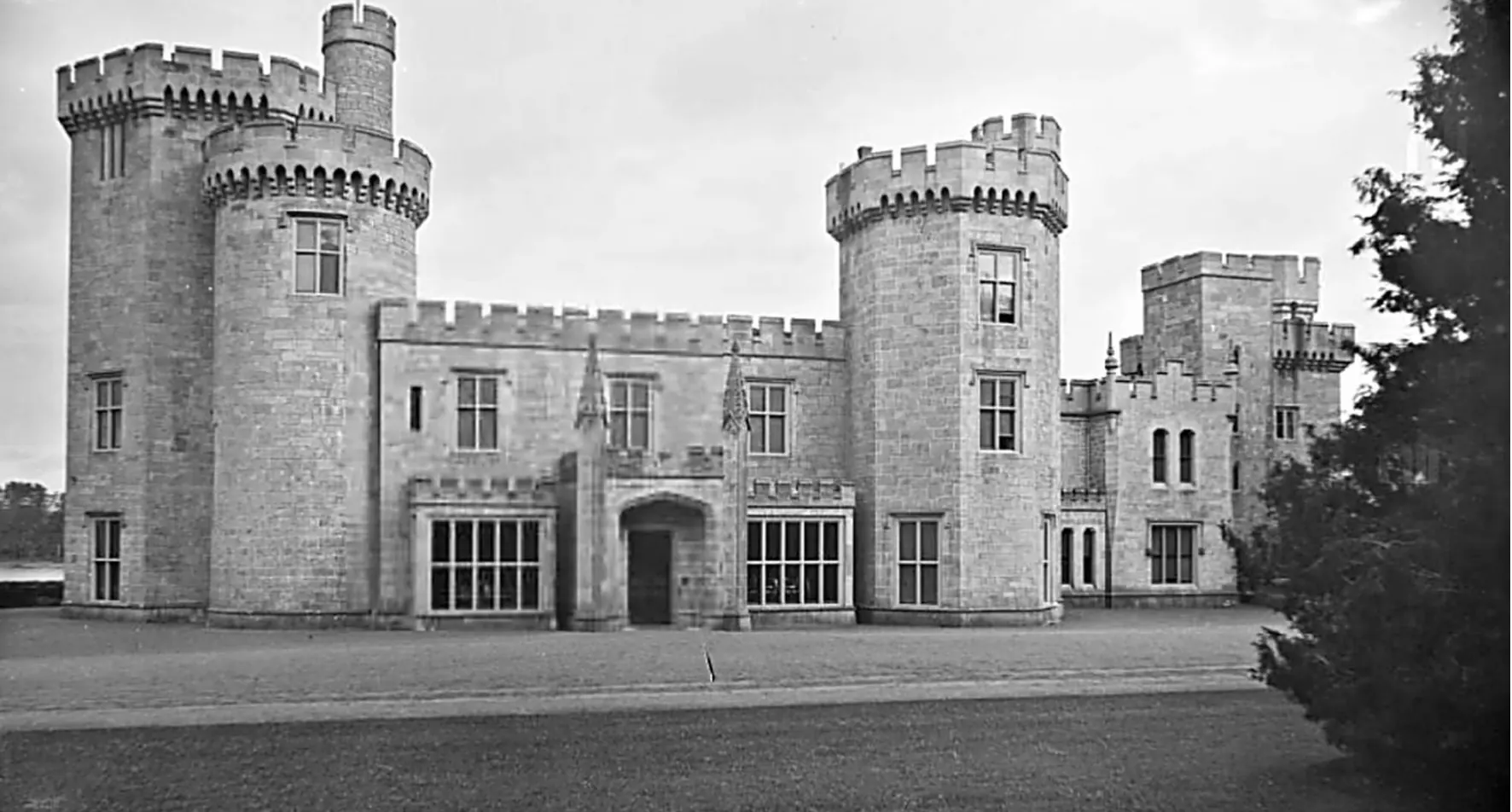
Designed by John Nash, the architect who remodelled Buckingham Palace for George IV, the castle has welcomed guests including W. B. Yeats and Lady Augusta Gregory. King Charles III and Queen Camilla stayed in 2015, when they were Prince of Wales and Duchess of Cornwall.
History timeline
Before 1600
Ancient origins and Irish legends
Local legends tell of the Fir Bolg and the Tuatha Dé Danann in the hills around the lake. The area is associated with St Colman MacDuagh, commemorated by the nearby round tower at Kilmacduagh.
The recorded history of the estate reaches back to 866, when the church of Beagh on the north-west shore was sacked. Remains of early religious sites survive on and around the lake.
1601–1797
The O’Shaughnessys and the Prendergasts
For centuries, the lands belonged to the O’Shaughnessys, lords of Gort. After the Williamite War they were granted to Sir Thomas Prendergast. Lady Penelope Prendergast planted orchards along the shore and on the islands.
John Prendergast Smyth built roads and planted woodland across the estate, including around the Punchbowl.
Early 1800s
A Gothic castle by John Nash
Inspired by John Nash’s East Cowes Castle on the Isle of Wight, the Gort family commissioned the architect to design a Gothic Revival castle overlooking Lough Cutra.
Work was supervised by the Pain brothers and the castle was nearly complete by 1817. Landscaped gardens and lawns ran down from its towers and battlements to the water.
1840s–1900
The Great Famine and the Gough era
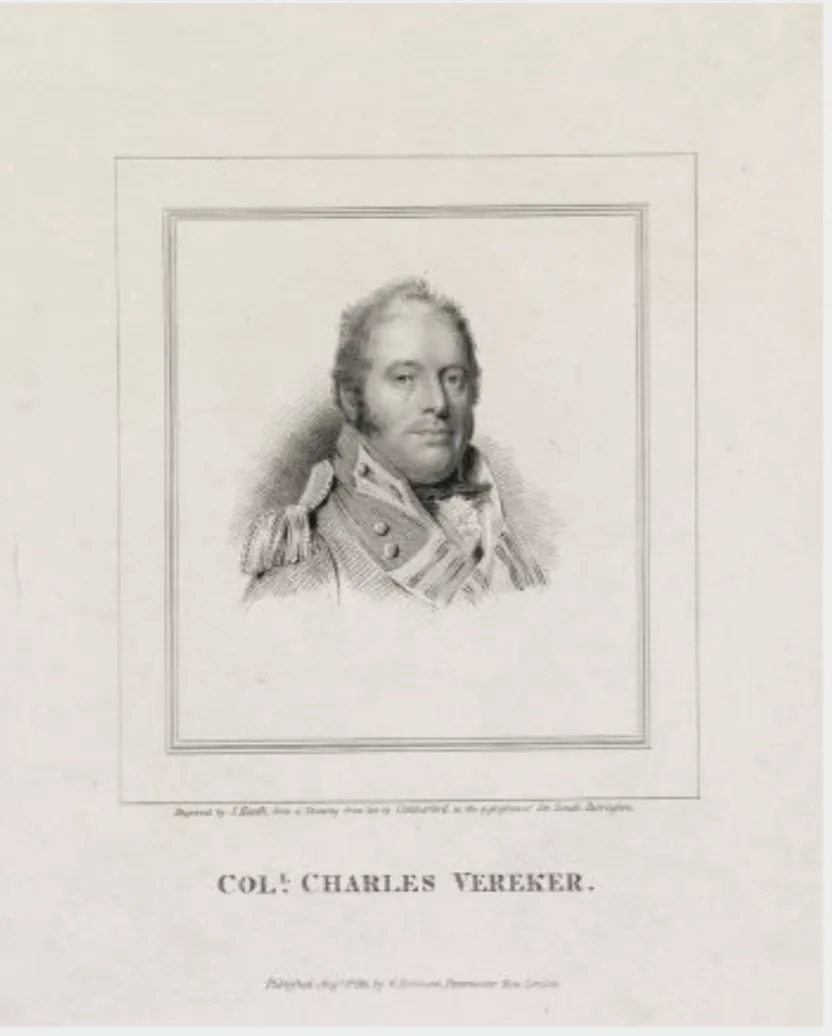
The Gort family sold the estate in the aftermath of the Great Famine. Its next owner, Field Marshal Hugh Gough, extended the castle and developed the woodland, avenues and gardens.
The family later added a museum wing. When it was demolished in the 1950s, its cut stone was reused in the restoration of Bunratty Castle.
1920s–1960s
Years of silence and rediscovery
As costs mounted, the Gough family moved into converted stables in the 1920s. The castle stood largely closed for decades, apart from its use by the Irish Army during the Second World War.
It was restored in the late 1960s after descendants of the first Viscount Gort bought the estate.
1970s–Present
Preserving the legacy
The family of the present owner continued the restoration. The roof of the main castle was renewed in 2003, the interiors restored, and work has continued on the gate lodges, courtyards and woodlands.
Lough Cutra remains a privately owned estate and a family home.
Step inside the castle
Explore the reception rooms and the home the castle has become.
Inside the Castle